
It's Not About Being Airtight. It's About Being Smart.
If you're using AI for real business work, you've probably wondered: where does all this data actually go?
That's a fair question. And the answer isn't scary. But it is worth understanding, because the more you know about how your data flows, the better decisions you can make about which tools to trust with your business.
This isn't about avoiding AI or being paranoid. It's about getting the most value from AI while keeping your information as secure as possible.
How Cloud AI Data Flow Works
Here's the simple version of what happens every time you use a cloud AI tool:
- You type a prompt on your device
- That prompt travels over the internet to the AI provider's servers
- The AI model processes it and generates a response
- The response comes back to your device
That's true whether you're using OpenAI, Anthropic, Google, or any other provider. Your prompt has to reach the model for it to work.
So the real questions aren't about whether data leaves your device. It does. The practical questions are:
- What happens to your prompt after the response is generated?
- Where do your files, memory, and conversation history live?
- How much control do you have over all of this?
What the Major Providers Actually Say
Both of the major AI providers that ProductiveBot supports have clear, published policies about how they handle API data. Here's what they say in their own words:
OpenAI (from their API data documentation, as of March 2026):
"Your data is your data. As of March 1, 2023, data sent to the OpenAI API is not used to train or improve OpenAI models (unless you explicitly opt in to share data with us)."
OpenAI does retain API data in abuse monitoring logs for up to 30 days by default. Enterprise customers can apply for modified monitoring or zero data retention. (Source: OpenAI Data Controls documentation)
Anthropic (from their Commercial Terms of Service):
"Anthropic may not train models on Customer Content from Services."
Anthropic's commercial terms also state that customers retain all rights to their inputs and own their outputs. (Source: Anthropic Commercial Terms, Section B)
Both providers draw a clear line between their consumer products and their API services. Consumer products (like ChatGPT or Claude.ai) have different terms. The API tiers that ProductiveBot uses have explicit no-training policies.
Consumer vs. API: A Distinction Worth Knowing
There's one detail most people miss.
When you use ChatGPT or Claude.ai directly, you're using a consumer product. The terms for those products are different from the API terms. Consumer product policies can vary, and some have historically allowed conversation data to be used for model improvement.
When ProductiveBot connects to an AI provider, it uses API access. That means business-grade terms with no-training policies, regardless of which provider you choose.
This is one of the things we set up for you so you don't have to think about it.
What Makes ProductiveBot's Approach Different
The real privacy advantage of ProductiveBot isn't just about which AI company processes your prompts. It's about where the rest of your data lives.
With cloud-only AI tools, everything lives on their servers. Your conversation history, your uploaded files, your preferences. You're renting space in someone else's system.
With ProductiveBot, the architecture works differently:
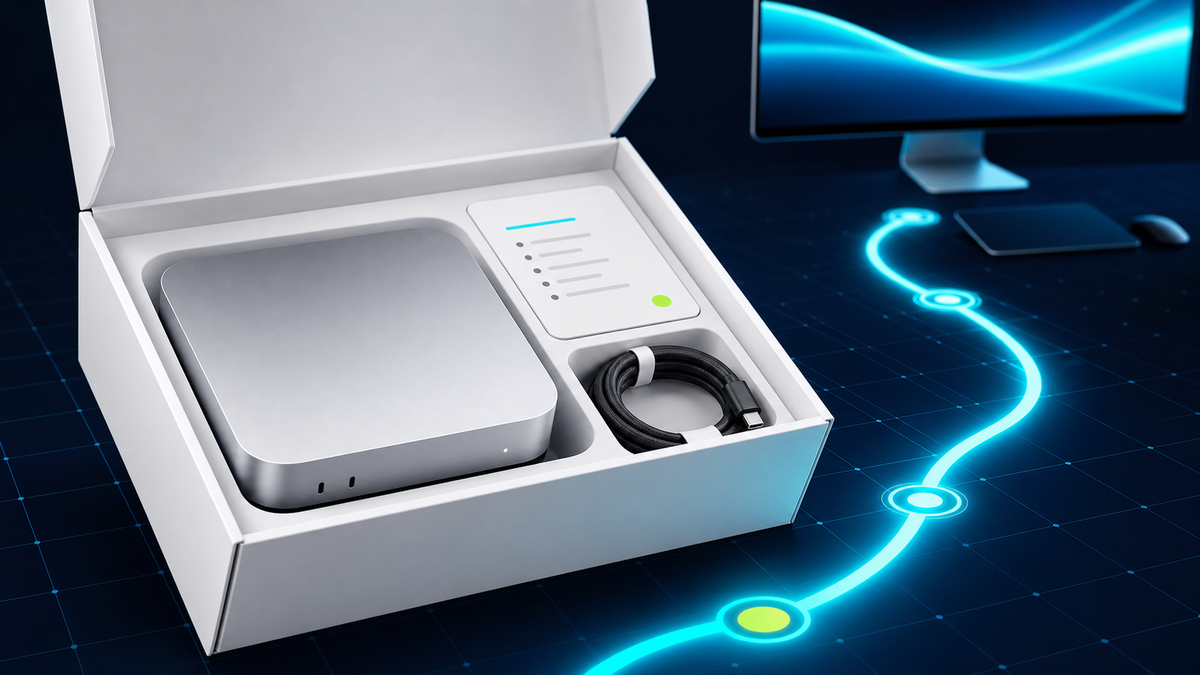
What stays on your Mac Mini and never leaves:
- Your full conversation history
- Your files and documents
- TotalRecall memory (everything your AI has learned about your business over time)
- Your configuration and settings
What travels to the AI provider via API:
- Your prompts, so the AI can generate a response
- Recent conversation context, so responses make sense
The prompt goes out, the response comes back, and that's the end of the transaction. Your files, your history, and your memory never leave your device.
You Choose the Provider
ProductiveBot is built on OpenClaw, the most capable open-source AI agent framework available. We chose it because it handles messaging, file management, memory, and automation better than anything else out there.
One of the things that makes OpenClaw powerful is provider flexibility. ProductiveBot ships configured with Anthropic's Claude, but the platform supports multiple providers including OpenAI. You're not locked into one company's ecosystem.
What doesn't change: your data stays on your Mac Mini regardless of which provider you use. That's the architectural decision that matters most.
Being Honest About What "Local" Means
ProductiveBot is not air-gapped. It needs an internet connection to reach the AI provider's API. Your prompts do travel over the internet to generate responses.
What "local" means here: your files, your memory, your history, and your configuration stay on hardware you own, in your home or office. Nobody else has access to them.
The goal isn't to eliminate all data flow. It's to keep the valuable, persistent stuff on your device while only sending what's necessary to generate a response. That's a practical balance between privacy and capability.
The Quick Comparison
| Cloud AI Tools | ProductiveBot | |
|---|---|---|
| Conversation history | Stored on provider's servers | Stored on your Mac Mini |
| Files and documents | Uploaded to provider's cloud | Stay on your device |
| AI memory | Limited or none | TotalRecall grows over time, stays local |
| Provider choice | Locked to one provider | Multiple providers supported |
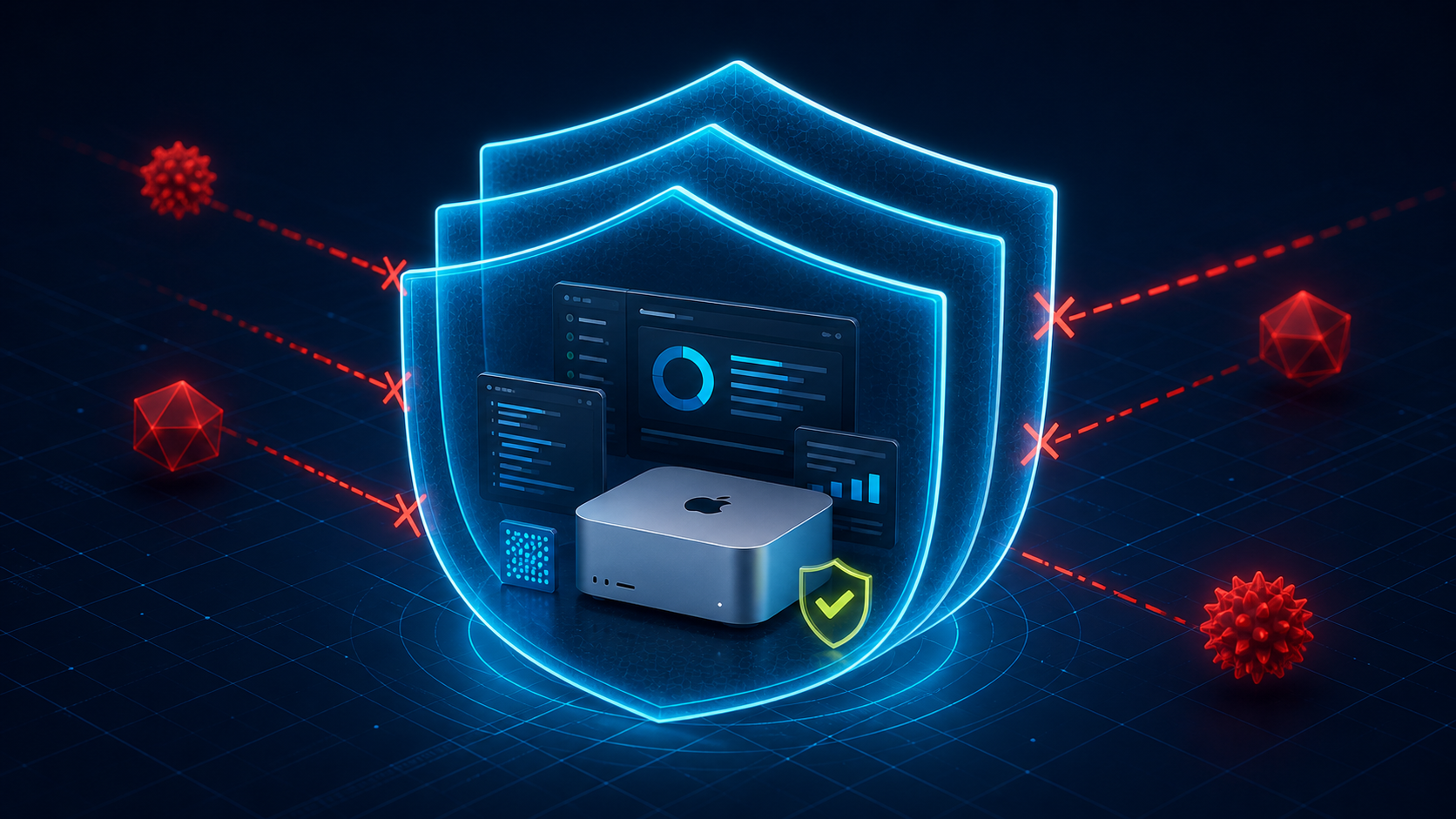
| Security hardening | You manage it | SecuritySuite pre-configured |
Get the Most From AI Without Giving Up Control
If you want an AI assistant that remembers your business, keeps your files on hardware you own, connects through providers with clear no-training policies, and comes with security already handled, that's what ProductiveBot was built for.

Leave a comment
This site is protected by hCaptcha and the hCaptcha Privacy Policy and Terms of Service apply.